
How to ask for a letter of recommendation for graduate school
2026-10-08
A strong letter comes from someone who can write about your work with dates and tools — not from the most famous name on the faculty page. Ask early, send a short packet, and track every portal deadline.
Students searching for “how to ask for a recommendation letter” or “letter of recommendation for master’s / PhD” usually already know they need two or three. What they need next is a workable ask: who, when, and what to send so a busy professor can say yes without guessing.
A letter of recommendation (LOR) is not a favour you collect the week of the deadline. It is a short professional judgment from someone who saw you work. Ranking prestige helps less than concrete detail — a project title, a method, how you handled a hard week.
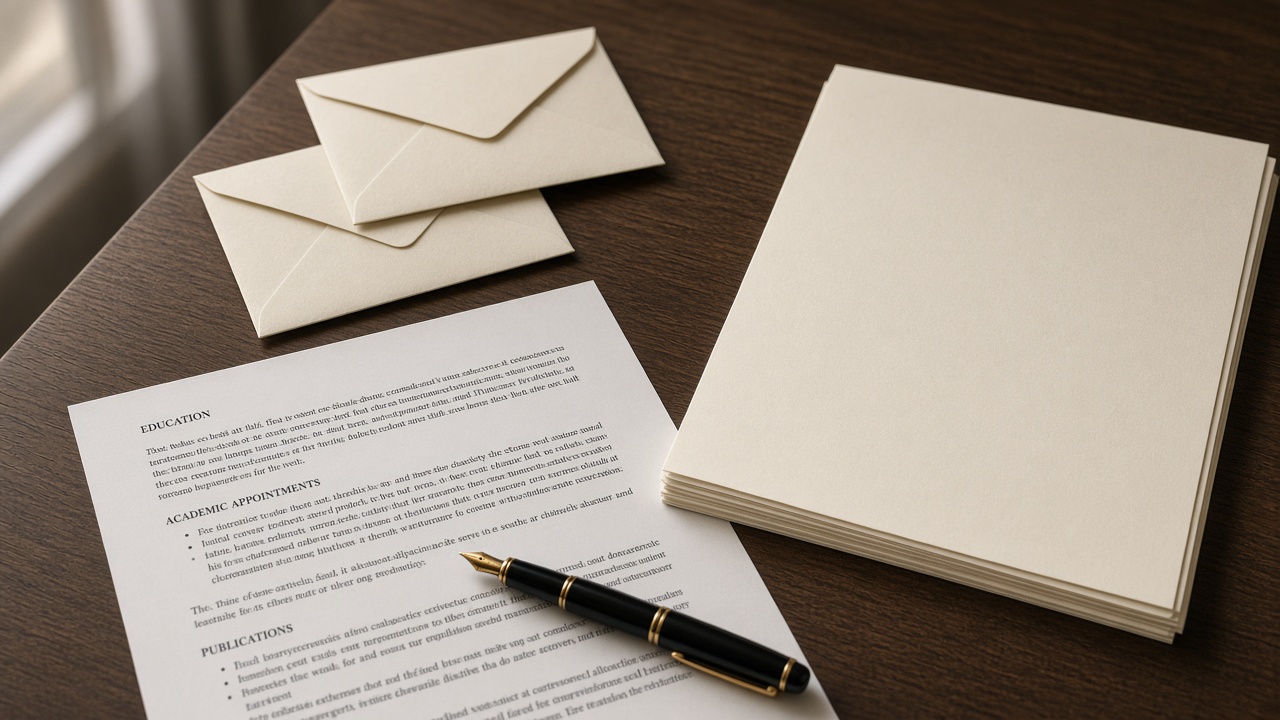
Who to ask
Pick people who can write about your work, not people who only know your GPA from a form.
Good sources, in rough order for research applications:
- Thesis or research supervisor — strongest when they can name methods, results, or how you showed up in the lab or group.
- Course instructor who saw substantial work — a project, paper, or presentation, not only a midterm score.
- Internship or industry mentor who supervised technical work that maps to the program.
A famous name who cannot recall a project is weaker than a lecturer who watched you build one. If you must mix academic and workplace letters, check the program page: some PhD portals want faculty only.
Before you write the email, find the right professor’s university address for anyone outside your current department — and keep each ask tied to a real program row, not a vague “I’m applying somewhere.”
When to ask
Ask four to eight weeks before the earliest portal deadline when you can. Shorter than that is sometimes unavoidable; say so in the first sentence and offer an easy no.
Do not wait until you have every transcript PDF. Ask once the list of programs is real enough to name two or three targets and dates. Deadlines move in the department’s time zone, not yours — copy them the way the page writes them.

What to put in the ask email
Keep it short. Professors skim. A workable structure:
- Who you are in one line. Course, year, thesis topic, or project they already know.
- What you are asking for. Letter of recommendation for master’s / PhD / research stay — name the degree.
- Why them. One sentence that points at their contact with your work (the course project, the lab, the paper).
- Deadlines. Earliest date first, with time zone if the portal shows one.
- The packet. CV, draft SOP or research statement if you have it, transcript, and a table of schools/portals — attached or linked, not pasted as a wall of text.
- An easy exit. “If the timing is tight, I completely understand” beats pressure.
If you want a first pass on the wording, draft with the assistant and edit every claim. Invented projects become the problem the day a referee asks for the paper.
Subject lines that work are dull and clear: Recommendation letter request — [Your name], deadlines from [date].
What to send in the packet
Make saying yes cheap:
- CV (two pages is enough for most early-career applicants).
- Unofficial transcript if grades matter for that letter.
- Draft statement or a half-page note: programs, research theme, why you are applying this cycle.
- Bullet reminders of work they saw — course code, project title, tools, outcome. Do not make them search old email.
- Portal list — school, degree, deadline, link or referee email instructions, and whether the letter is uploaded by them or by you.
Waive your right to read the letter when the form offers it. Committees expect that; arguing otherwise rarely helps.
After they say yes
- Submit the referee’s name and email in each portal as soon as it opens — do not make them hunt for an invite a day before the close.
- Send one polite reminder one week before the earliest deadline if the status is still pending.
- Thank them once the letter is in, and tell them where you landed when you know. That is how the next student gets a faster yes.
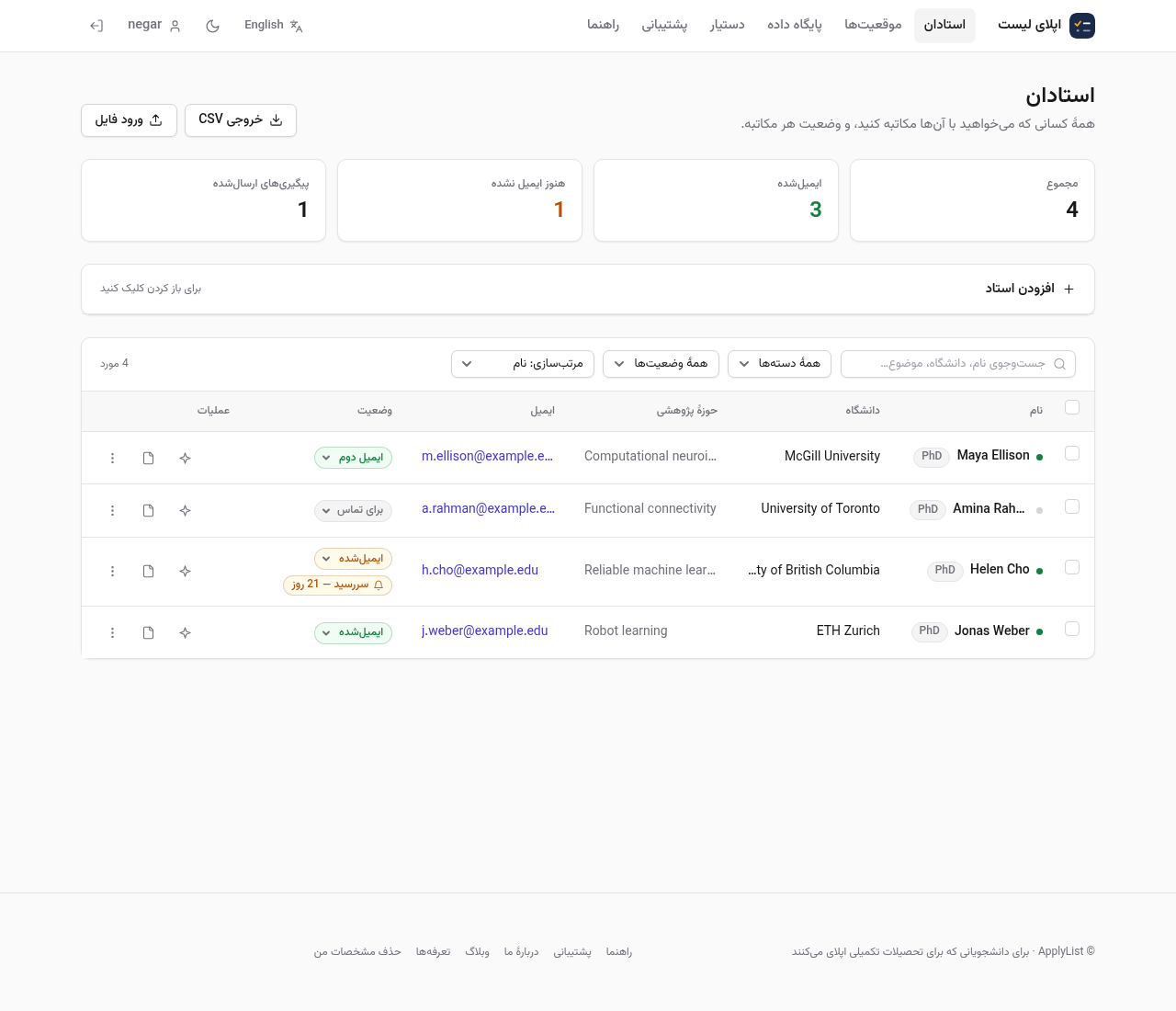
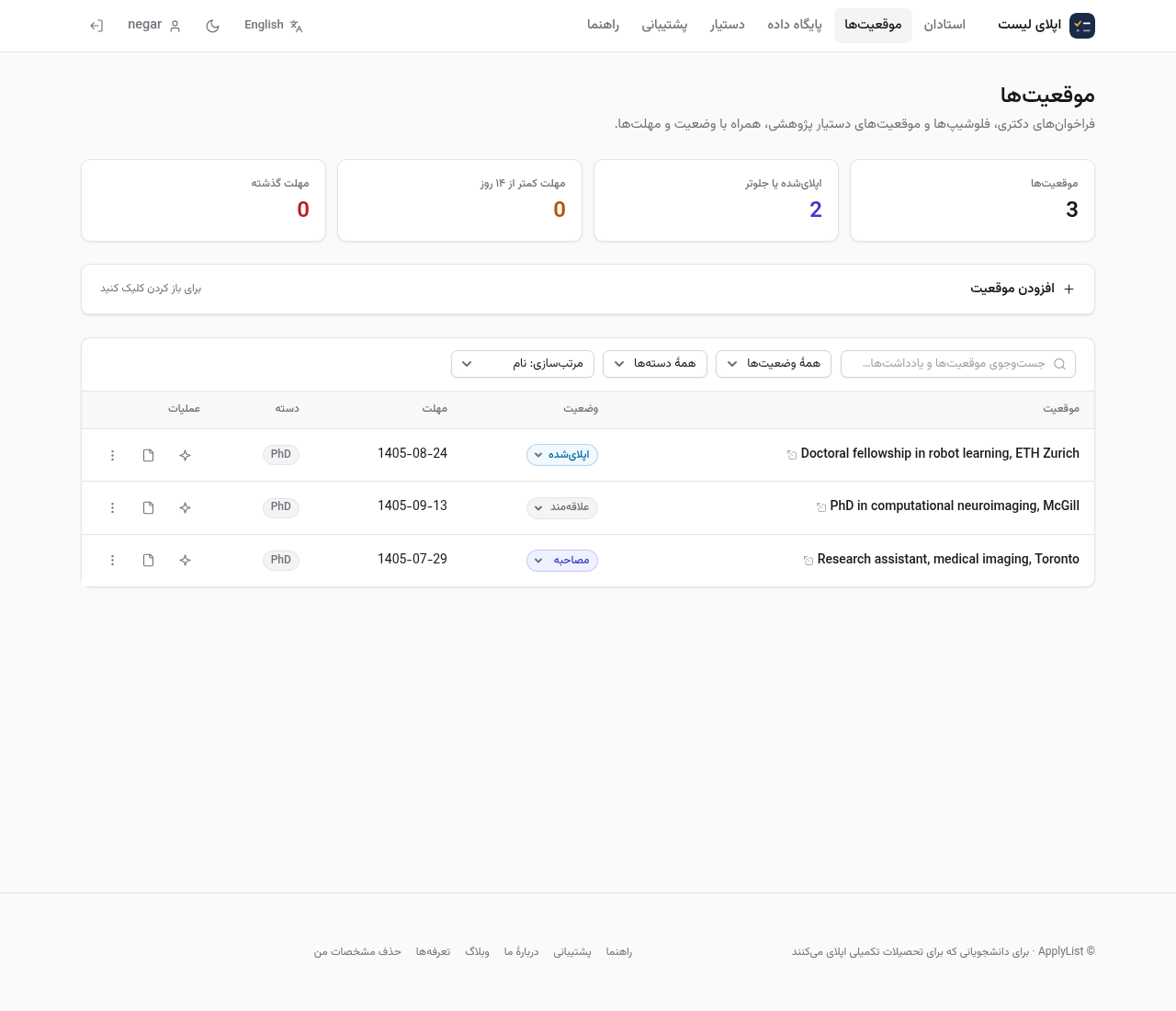
Track who you asked, which program each letter is for, and the date you last nudged them. On ApplyList, professors and positions hold that trail next to your own outreach — free for your own lists.
What not to do
- Asking ten people “just in case” with the same generic mail.
- Naming a referee on a form before they agreed.
- Sending a fifty-page zip of every certificate you own.
- Ghosting after they upload — then asking again next year with no update.
- Writing the letter yourself and asking them only to sign, unless they explicitly request a draft (some fields do; follow their norm, not a forum tip).
A recommendation letter supports the same story as your statement of purpose: fit, evidence, and a clear ask. The letter is someone else’s voice. Your job is to choose the right person early and make their job easy.
Comments
No comments yet.
Sign in to leave a comment.